
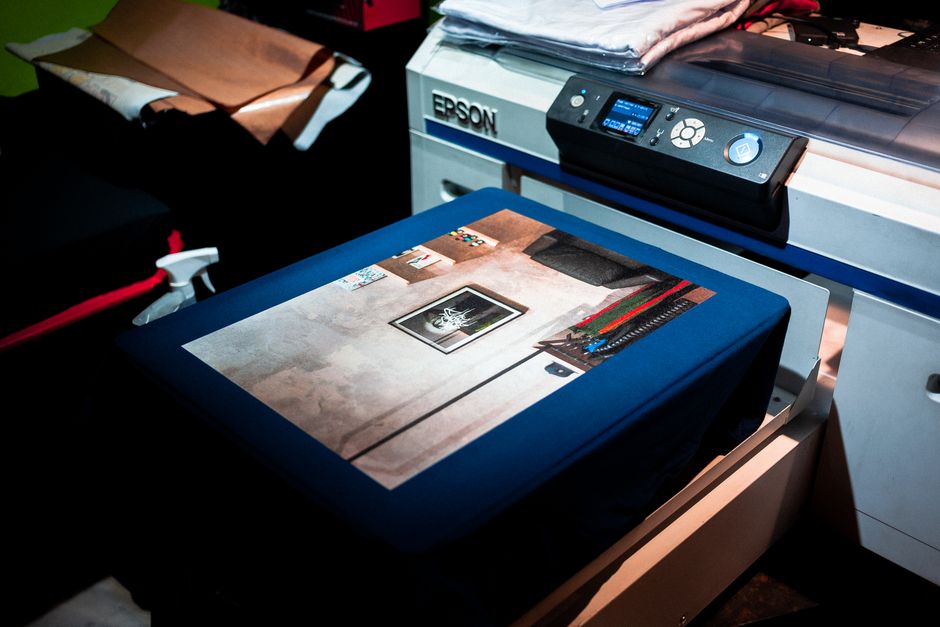
Introduction to UV DTF Printers
In the rapidly evolving world of printing technology, UV DTF (Direct to Film) printers have emerged as a groundbreaking solution, offering remarkable advancements over traditional printing methods. These printers utilize innovative techniques that allow for high-quality output on a variety of surfaces, making them an attractive option for businesses seeking versatility and efficiency. Unlike conventional printers that often rely on paper and specific materials, UV DTF printers can print on a wide range of substrates, including plastics, metals, and textiles.
As industries continue to demand more customization and unique printing solutions, understanding UV DTF printers and their capabilities is essential. This comprehensive guide will delve into the technology behind these printers, their advantages, and the diverse applications that highlight their growing significance in the printing landscape.
The Technology Behind UV DTF Printing
To fully appreciate UV DTF printing, it is crucial to explore the underlying technology that powers these machines. From the initial artwork preparation to the final cured print, several components work together to ensure high-quality results. This section will break down the intricacies of the printing process, the types of inks used, and the vital role of UV curing.
Understanding the Printing Process
The UV DTF printing process is a meticulous sequence that starts with artwork preparation. It begins with creating or selecting a digital design that will be printed. Once the design is established, the following steps occur:
- Film Transfer: The digital design is printed onto a special film using UV inks. This film is designed to hold the ink and later transfer it to the final substrate.
- Ink Application: The printer applies UV inks directly to the film. These inks are specifically formulated to adhere well to the film and provide vibrant colors.
- UV Curing: After the inks are applied, the printed film passes through UV light, which instantly cures the ink, making it ready for transfer.
- Transfer to Substrate: The cured film is then aligned with the final material (such as a t-shirt, plastic, or metal surface) and pressed to transfer the printed image.
- Final Curing: Once the film is removed, the print may undergo additional UV curing to ensure the ink adheres firmly and is fully cured.
This step-by-step process highlights the efficiency and effectiveness of UV DTF printing, leading to exceptional results and reduced production times.
Types of UV Inks
UV DTF printers utilize various types of UV inks, each with its unique properties and applications. The most common types include:
- Standard UV Inks: These inks are designed for general printing needs, providing good adhesion and vibrant colors on various substrates.
- Flexible UV Inks: Ideal for materials that require bending or stretching, these inks maintain their integrity and flexibility post-curing.
- High-Opacity UV Inks: These inks are perfect for dark or colored substrates, delivering excellent coverage and opacity.
While each type of ink has its advantages, it is essential to choose the right ink based on the intended application and substrate. Understanding these distinctions can greatly enhance print quality and durability.
UV Curing Process
The UV curing process is a critical aspect of UV DTF printing. When the printed film passes under UV light, the inks undergo a chemical reaction that transforms them from a liquid state into a solid state almost instantaneously. This curing process ensures that the printed image is durable, resistant to scratches, and able to withstand various environmental factors.
Moreover, UV curing helps in reducing drying time significantly compared to traditional solvent-based inks, allowing for faster production cycles. This efficiency not only improves workflow but also contributes to the overall quality of the final print, as it minimizes the risk of smudging or misalignment.
Advantages of UV DTF Printing
UV DTF printing offers several compelling advantages over other printing methods, making it an increasingly popular choice for businesses and manufacturers. Some key benefits include:
Durability and Resistance
One of the standout features of UV DTF prints is their exceptional durability. The UV curing process creates a hard, scratch-resistant surface that can withstand various environmental challenges. These prints are often resistant to fading, moisture, and chemicals, making them suitable for both indoor and outdoor applications.
Moreover, the durability of UV DTF prints means that they can be used for promotional products, signage, and apparel without the fear of deterioration over time. This longevity is particularly beneficial for businesses looking to invest in high-quality, reliable printing solutions.
Versatility in Materials
UV DTF printers are renowned for their versatility in handling a wide range of materials. From traditional textiles to unconventional surfaces like wood, glass, and metal, UV DTF technology excels in delivering high-quality prints across various substrates.
This adaptability opens up numerous possibilities for creative applications, allowing businesses to explore new avenues for branding, promotional merchandise, and customized products. The ability to print on diverse materials without compromising quality is a game-changer for many industries.
Eco-Friendly Printing
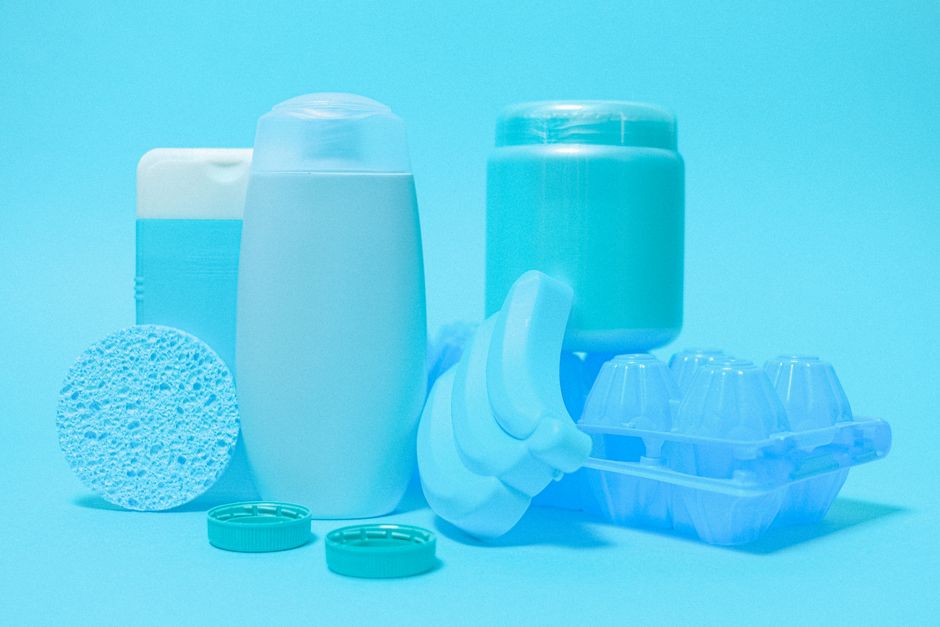
In an era where environmental sustainability is paramount, UV DTF printing stands out as a more eco-friendly alternative to traditional printing methods. The use of UV inks eliminates the need for solvents, significantly reducing harmful emissions and VOCs (volatile organic compounds).
Additionally, the UV curing process consumes less energy compared to conventional drying methods, contributing to lower operational costs and a smaller carbon footprint. Businesses that prioritize sustainability can benefit from adopting UV DTF printing, aligning their practices with eco-conscious values.
Applications of UV DTF Printers
The versatility of UV DTF printers allows them to be employed across various industries and applications. Some notable sectors include:
- Promotional Products: UV DTF printing can be used to create customized merchandise, such as branded items, giveaways, and personalized gifts.
- Signage: From indoor displays to outdoor signage, UV DTF printers deliver vibrant and durable prints that stand the test of time.
- Textiles: Apparel manufacturers can leverage UV DTF technology to produce high-quality, colorful prints on garments.
- Interior Décor: The ability to print on various surfaces allows for unique wall art, custom furniture, and home accessories.
- Industrial Applications: UV DTF printing is also suitable for creating labels, packaging, and other industrial products.
This diverse range of applications showcases the adaptability and potential of UV DTF printers, making them invaluable tools for businesses looking to innovate and expand their offerings.
Textile and Apparel Printing
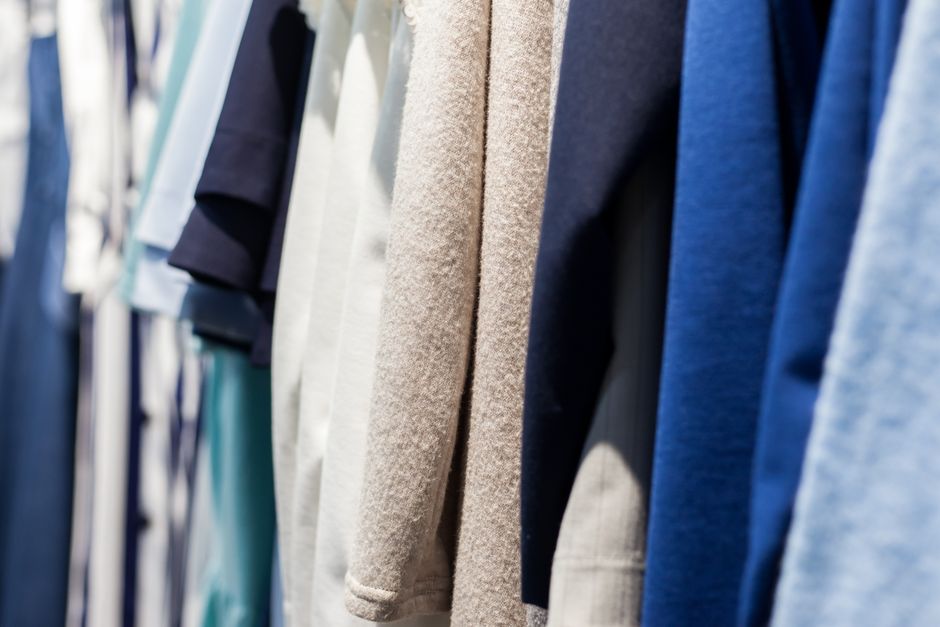
UV DTF printing is revolutionizing the textile and apparel industry by offering unparalleled customization and print quality. Unlike traditional printing methods, UV DTF allows for vibrant colors and intricate designs to be printed directly onto fabrics without compromising texture or feel.
One of the most significant advantages of UV DTF for textiles is its ability to print on various fabric types, including cotton, polyester, and blends. This flexibility enables fashion designers and apparel manufacturers to create unique clothing lines that stand out in a competitive market. Brands can now easily produce limited edition runs or custom pieces tailored to specific customer preferences.
Additionally, the durability of UV DTF prints means that garments can withstand the rigors of washing and wear, maintaining their vibrant appearance over time. This durability not only enhances customer satisfaction but also reduces returns and waste, making it an economically and environmentally favorable choice for businesses.
Furthermore, UV DTF printing simplifies the process of creating complex designs that may involve multiple colors or gradients. Traditional methods often require separate screens or setups for each color, increasing time and costs. With UV DTF, multiple colors can be printed in one pass, significantly speeding up production and allowing for more intricate designs.
As sustainability becomes more critical in the fashion industry, UV DTF printing aligns well with eco-friendly practices. The inks used are often free from harmful solvents and chemicals, making them safer for both the environment and the workers involved in the printing process. This shift towards greener practices not only appeals to environmentally conscious consumers but also supports brands in their sustainability goals.
In summary, UV DTF printing is reshaping the textile and apparel industry by providing high-quality, durable, and customizable prints. Its ability to enhance creativity while supporting sustainable practices makes it an essential tool for modern fashion businesses.
Signage and Graphics
In the realm of signage and graphics, UV DTF printers are proving to be game-changers. These printers enable businesses to create eye-catching displays that are not only visually appealing but also built to last in various environments.
The application of UV DTF technology in signage allows for a wide range of materials to be utilized, including rigid substrates like acrylic, metal, and foam boards. This capability means that businesses can produce custom signs that meet specific needs, such as outdoor durability or indoor aesthetic appeal.
One of the major benefits of using UV DTF printing for signage is the vibrant color reproduction and fine detail that can be achieved. This allows for high-resolution graphics that attract attention and effectively convey messages, whether for promotional purposes, directional signs, or branding. Businesses can create stunning visuals that enhance their marketing efforts and improve brand recognition.
Moreover, UV DTF prints are resistant to fading, scratches, and harsh weather conditions, making them ideal for both indoor and outdoor applications. This longevity ensures that signage remains effective and visually appealing over time, providing excellent value for investment.
In addition to traditional signage, UV DTF printers also open up creative possibilities for custom graphic designs, such as wall murals and vehicle wraps. The technology allows for seamless integration of graphics that can transform spaces or convey brand messaging on the go.

Furthermore, the quick curing process of UV inks means that businesses can produce signs rapidly, meeting tight deadlines without sacrificing quality. This efficiency is particularly beneficial for companies that require last-minute signage or promotional materials.
Ultimately, the versatility and quality of UV DTF printing make it an ideal choice for signage and graphic applications. It allows businesses to create high-impact visuals that resonate with audiences and enhance their overall branding strategies.
Promotional Products
UV DTF printers play a crucial role in the production of promotional products and customized gifts. In a world where personalization is key, the ability to create unique, branded items has never been more important for businesses looking to engage with their customers.
One of the standout features of UV DTF printing in this realm is the capability to print on a wide variety of materials. From promotional pens and mugs to custom keychains and phone cases, the possibilities are virtually endless. This adaptability allows businesses to offer diverse product ranges tailored to different events, campaigns, or customer preferences.
The durability of UV DTF prints also significantly enhances the value of promotional products. Unlike traditional printing methods that may wear off or fade over time, UV DTF prints are designed to last. This means that promotional items not only serve as effective marketing tools but also provide lasting impressions that keep the brand top of mind for recipients.
Moreover, the rapid production capabilities of UV DTF printers allow businesses to fulfill large orders quickly. Whether it’s for a corporate event, trade show, or holiday gift-giving season, companies can efficiently produce customized items in bulk, meeting the demands of their marketing strategies.
Additionally, UV DTF printing supports vibrant colors and detailed designs, making it easier to create visually appealing products that stand out. Businesses can incorporate logos, slogans, and intricate artwork, enhancing the overall appeal of promotional items.

In conclusion, UV DTF printers are revolutionizing the creation of promotional products, enabling businesses to offer high-quality, customized items that resonate with their target audiences. This technology not only enhances brand visibility but also fosters customer loyalty through personalized experiences.
Choosing the Right UV DTF Printer
When investing in a UV DTF printer, selecting the right model for your needs is crucial. With various options available, it’s important to consider factors like budget, features, and brand reputation to make an informed decision.
Key Features to Consider
Before purchasing a UV DTF printer, take into account the following key features:
- Print Resolution: Look for printers that offer high print resolutions, as this will determine the sharpness and clarity of your prints.
- Print Speed: Consider the printing speed, especially if you have high-volume production needs. Faster printers can significantly improve workflow.
- Versatility: Ensure the printer can handle a variety of materials and substrates, allowing for greater flexibility in your projects.
- Ink Type: Research the types of UV inks used by the printer, as quality and durability can vary significantly.
- Software Compatibility: Check if the printer is compatible with the design software you use, ensuring a seamless workflow.
By evaluating these features, you can better match your printing needs with the right UV DTF printer, ensuring optimal performance and results.
Budget Considerations
Setting a budget for your UV DTF printer is essential. Prices can vary significantly based on features, brand reputation, and overall performance. Generally, entry-level printers can start from a few thousand dollars, while high-end models may range into the tens of thousands.
When determining your budget, consider not only the initial cost of the printer but also ongoing expenses such as ink, maintenance, and potential upgrades. It’s wise to calculate the total cost of ownership to understand the long-term financial commitment.
Additionally, look for financing options or leasing arrangements that may be available, especially if you’re a startup or small business. This can help you acquire a high-quality printer without straining your cash flow.
Brand Recommendations
There are several reputable brands known for manufacturing high-quality UV DTF printers. Here are a few recommendations:
- Roland DG: Renowned for their innovative technology, Roland printers are popular for their reliability and print quality.
- Epson: Known for exceptional color accuracy and versatility, Epson offers a range of UV DTF printers suitable for various applications.
- Mutoh: With a focus on performance and efficiency, Mutoh printers are ideal for businesses looking to maximize productivity.
- Canon: Canon’s printers are recognized for their high-quality output and user-friendly interfaces, making them a great choice for beginners.
Researching these brands and their available models can help you find a UV DTF printer that aligns with your specific printing needs and budget.
Maintenance Tips for UV DTF Printers
Proper maintenance of your UV DTF printer is crucial to ensuring its longevity and optimal performance. By following a few simple maintenance tips, you can keep your printer in excellent condition and reduce the likelihood of issues arising during production.
Regular Cleaning Procedures
Regular cleaning is essential to prevent clogs and ensure consistent print quality. Here are some recommended cleaning procedures:
- Print Head Cleaning: Schedule regular cleaning cycles for the print head to remove any dried ink or debris that could affect print quality.
- Bed Cleaning: Clean the print bed periodically to ensure a smooth surface and prevent any adhesion issues with the substrate.
- External Cleaning: Wipe down the exterior of the printer to remove dust and ink splatters, maintaining a clean working environment.
Incorporating these cleaning routines into your maintenance schedule will help keep your printer running smoothly and efficiently.
Ink and Material Management
Effective management of ink supplies and printing materials is vital for maintaining consistent print quality. Here are some tips to help you manage these resources:
- Inventory Tracking: Keep track of ink levels and materials to avoid running out during critical production times.
- Use Quality Supplies: Always use high-quality inks and materials recommended by the manufacturer to ensure optimal performance and print quality.
- Storage Conditions: Store inks and materials in a cool, dry place to prevent degradation and maintain their effectiveness.
By managing your ink and material supplies effectively, you can ensure a steady workflow and high-quality prints.
Diagnosing Common Issues
Even with proper maintenance, you may encounter common issues with your UV DTF printer. Here are some troubleshooting tips:
- Print Quality Problems: If you notice banding or color inconsistencies, perform a print head cleaning and check the ink levels.
- Connectivity Issues: Ensure that all connections are secure and that the printer is properly configured with your computer or network.
- Ink Clogs: If you experience ink flow issues, run the automated cleaning cycle or manually clean the print head.
By being proactive in diagnosing and addressing these common issues, you can minimize downtime and maintain efficient operations.
Troubleshooting Common UV DTF Printer Issues
UV DTF printers offer remarkable capabilities, but like any advanced equipment, they may encounter issues from time to time. Here, we will discuss common problems faced by users and provide step-by-step solutions to help you resolve them effectively.
Print Quality Problems
Print quality issues can manifest in various forms, such as banding, color inconsistencies, or faded prints. Identifying the source of these issues is crucial for achieving high-quality output.
- Banding: This is characterized by lines that run horizontally or vertically across the print. To troubleshoot, check the following:
- Ensure that the print head is clean. Run a print head cleaning cycle via your printer’s software.
- Verify that you are using the correct print settings for the material you are using. Adjust the resolution and print speed as necessary.
- Check the substrate for any imperfections that may affect print quality.
- Color Inconsistencies: If your prints display uneven colors, follow these steps:
- Perform a nozzle check to see if any nozzles are clogged. If so, clean the print head.
- Calibrate the printer according to the manufacturer’s instructions to ensure accurate color output.
- Use high-quality inks that are compatible with your printer to maintain color fidelity.
- Faded Prints: Faded colors can result from low ink levels or incorrect settings. To fix this:
- Check ink levels and replace any empty cartridges.
- Adjust the print density settings in your printer’s software to enhance color saturation.
- Ensure that the print head is functioning correctly and not blocked.
Connectivity Issues
Connectivity problems can hinder your ability to print effectively. Here’s how to troubleshoot common connectivity issues with your UV DTF printer.
- USB Connection Problems: If your printer is connected via USB and is not recognized:
- Check that the USB cable is securely connected to both the printer and the computer.
- Try using a different USB port or cable to rule out hardware failure.
- Restart both the printer and the computer to refresh the connection.
- Network Issues (Wireless): If you are using a wireless connection and experience disruptions:
- Ensure that the printer is connected to the same Wi-Fi network as your computer.
- Reboot your router to clear any potential connectivity issues.
- Check for any firmware updates for the printer that may resolve connectivity issues.
- Driver Problems: Incorrect or outdated drivers can cause connectivity problems:
- Visit the manufacturer’s website to download the latest drivers for your specific printer model.
- Uninstall the current drivers and reinstall the updated version.
- Follow the installation instructions carefully to ensure proper setup.
Paper Jams and Misfeeds
Paper jams and misfeeds are frustrating issues that can disrupt your printing workflow. Here are steps to resolve them effectively.
- Dealing with Paper Jams: If a paper jam occurs, follow these steps:
- Turn off the printer and unplug it for safety.
- Carefully open the printer covers according to the manufacturer’s instructions.
- Gently pull out any jammed paper, ensuring you do not tear it. Check for any torn pieces left behind.
- Close the printer covers, plug it back in, and turn it on to resume printing.
- Preventing Misfeeds: Misfeeds can occur if the paper is not loaded correctly:
- Ensure that the paper guides are adjusted to fit the width of the paper being used.
- Do not overload the paper tray; follow the recommended capacity limits.
- Use high-quality paper that is compatible with your UV DTF printer to minimize issues.
Future Trends in UV DTF Printing
As technology continues to evolve, UV DTF printing is set to undergo significant advancements. Here, we explore the emerging trends and technologies that may shape the future of this industry.
Advancements in Technology
Technological innovations are likely to enhance the capabilities of UV DTF printers. Here are some anticipated advancements:
- Improved Print Speed: Future printers may incorporate faster drying technologies, resulting in quicker print cycles while maintaining high quality.
- Automated Maintenance Features: Enhanced self-cleaning and maintenance systems may reduce the need for manual intervention, promoting efficiency.
- Enhanced Color Management: Advanced software solutions could provide better color calibration tools, ensuring consistent output across different media.
Market Growth and Opportunities
The UV DTF printing market is experiencing growth, offering exciting opportunities for businesses. Here’s what to expect:
- Increased Adoption in Various Industries: With its versatility, UV DTF printing is likely to be embraced by diverse sectors such as fashion, signage, and promotional products.
- Expansion of Small Business Opportunities: As technology becomes more accessible, small businesses may find affordable options to enter the printing market.
- Global Market Expansion: Emerging markets are expected to adopt UV DTF printing, driving demand and innovation in the industry.
Innovation in Materials
Innovative materials are set to redefine what’s possible in UV DTF printing. Here are some trends to watch:
- Eco-Friendly Inks: A shift towards sustainable printing is anticipated, with manufacturers developing eco-friendly inks that maintain vibrant colors without harmful chemicals.
- Specialty Substrates: The introduction of new materials such as textiles, plastics, and metallic surfaces may expand the scope of UV DTF printing applications.
- Smart Materials: Future materials may incorporate smart technology, allowing for interactive prints that change with temperature or light exposure.
Conclusion
In conclusion, UV DTF printers present a powerful solution for various printing needs, offering high-quality output, versatility, and efficiency. By understanding common troubleshooting techniques, users can quickly resolve issues that may arise during operation. Furthermore, the future of UV DTF printing looks promising, with technological advancements, market growth, and innovations in materials set to shape its trajectory. Embracing these trends will allow businesses to leverage the full potential of UV DTF printers, ensuring they remain competitive in an ever-evolving landscape.
FAQs
- What are common print quality issues with UV DTF printers?
- Common issues include banding, color inconsistencies, and faded prints. Regular maintenance and using quality materials can help mitigate these problems.
- How can I resolve connectivity issues with my UV DTF printer?
- Check USB connections, ensure your printer is on the same network if using wireless, and update drivers as needed to troubleshoot connectivity problems.
- What should I do if my UV DTF printer jams frequently?
- Ensure that you are using the correct paper size, avoid overloading the paper tray, and regularly clean the printer to reduce the chance of jams.
- Are there any future trends in UV DTF printing?
- Yes, advancements in technology, market growth opportunities, and innovations in materials are expected to shape the future of UV DTF printing.