
Introduction
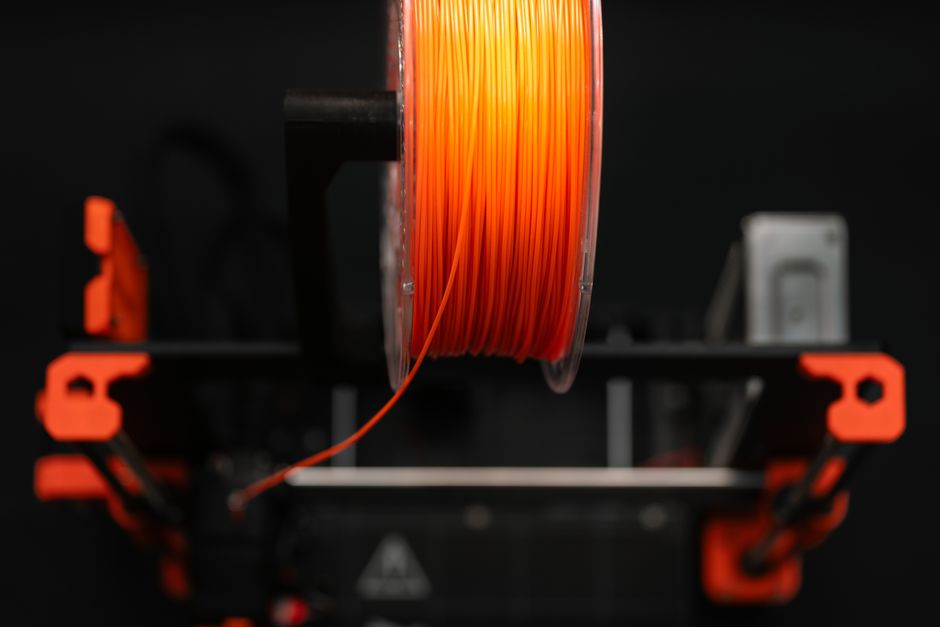
3D printing has revolutionized the way we create objects, from prototypes to final products. However, one often overlooked aspect of this technology is the importance of filament drying. Filament, the material used in 3D printers, can easily absorb moisture from the environment, which can significantly affect print quality. In this section, we will explore how moisture impacts 3D printing and why a filament dryer is essential for achieving the best results.
When moisture infiltrates filament, it can lead to a host of printing issues, such as poor layer adhesion, bubbling, and even stringing. These problems can jeopardize the integrity of your prints and waste valuable time and resources. Understanding the implications of wet filament is crucial for anyone serious about 3D printing, whether you are a hobbyist or a professional.
Understanding 3D Printer Filament
3D printer filaments come in various types, each with unique properties and moisture sensitivities. The most common filaments include PLA (Polylactic Acid), ABS (Acrylonitrile Butadiene Styrene), PETG (Polyethylene Terephthalate Glycol), and Nylon. Each of these materials behaves differently when exposed to moisture, making it essential to understand their characteristics.
Filament Composition
The composition of 3D printer filaments varies significantly, which influences their susceptibility to moisture. For instance, PLA is a biodegradable plastic derived from cornstarch or sugarcane, while ABS is a petroleum-based thermoplastic known for its strength and durability. PETG combines the best of both worlds, offering flexibility and ease of use.
Some filaments, like Nylon, are particularly hygroscopic, meaning they can absorb moisture rapidly. In contrast, others like PLA are less sensitive but can still be negatively impacted if exposed to high humidity levels for extended periods. Understanding the material composition of your filament helps in determining the best storage and drying methods.
Moisture’s Impact on Filament
Moisture can wreak havoc on filament properties, leading to various printing challenges. When filament absorbs water, it can lead to bubbling during the extrusion process. This occurs because the moisture vaporizes, creating air pockets that disrupt the flow of filament. As a result, you may notice inconsistencies in your prints, such as uneven layers or unsightly blobs.
Moreover, the presence of moisture can lead to stringing, where thin strands of filament are left behind as the print head moves between parts of the model. This not only affects the aesthetic quality of the print but can also compromise structural integrity. Layer adhesion may also suffer, resulting in prints that are weaker and more prone to breaking.
Therefore, understanding how moisture impacts filament is vital for maintaining high-quality prints. It is essential to keep filaments dry and utilize drying solutions effectively.
What is a 3D Printer Filament Dryer?
A 3D printer filament dryer is a specialized device designed to remove moisture from filament before it is used in printing. These dryers play a crucial role in the 3D printing process, ensuring that the filament remains in optimal condition for effective extrusion. By utilizing a filament dryer, users can significantly enhance their printing experience and outcomes.
How Does a Filament Dryer Work?
Filament dryers operate on a simple principle: they apply heat and/or airflow to the filament, effectively promoting moisture evaporation. Most dryers feature a chamber where the filament is placed, often equipped with temperature controls to ensure the drying process is gentle and effective.
Some advanced models use a combination of heat and desiccants to absorb moisture, creating an ideal environment for filament storage. The temperature and drying time can usually be adjusted based on the specific filament type, allowing for tailored drying solutions.
By understanding how these devices work, users can better appreciate their value in maintaining filament quality and optimizing print results.
Types of Filament Dryers
Several types of filament dryers are available on the market, each with its unique features and benefits. Electric filament dryers are popular due to their ease of use and efficiency. They typically come with built-in heating elements and adjustable settings for different filaments.
On the other hand, desiccant-based dryers utilize moisture-absorbing materials to keep filament dry. These are often more portable and require no power source, making them suitable for users who need a lightweight solution. However, they may require occasional replenishment of desiccant materials to maintain efficacy.
Ultimately, the choice of filament dryer depends on individual needs, budget, and the types of filaments being used.
Benefits of Using a Filament Dryer
Using a filament dryer offers numerous advantages that can greatly enhance the 3D printing experience. One of the primary benefits is the improved quality of prints. By ensuring that the filament is moisture-free, users can achieve cleaner, more precise prints that meet their expectations.
Improved Print Quality
When filaments are dried properly, it reduces the likelihood of issues like bubbling and stringing, leading to better layer adhesion and overall structural integrity. This means prints not only look better but are also stronger and more reliable.
Moreover, utilizing a filament dryer can save time and resources, as users will spend less time troubleshooting printing issues related to moisture. This efficiency can be particularly beneficial for professionals working on tight deadlines or large projects.
In summary, incorporating a filament dryer into your 3D printing workflow can significantly enhance print quality and reliability, ensuring that your projects are successful and meet high standards.
Extended Filament Lifespan
Proper drying techniques can dramatically prolong the usability of your 3D printing filament. When filament is exposed to moisture, its physical properties can degrade over time. This degradation not only affects the immediate printing process but can also lead to a shortened lifespan of the filament itself.
By utilizing a filament dryer, users can effectively maintain the integrity of the filament. Drying removes moisture that can cause brittleness or warping. For instance, PLA and PETG filaments are particularly sensitive to humidity. When they absorb water, they can become less pliable, leading to failures during extrusion and print quality issues.
Additionally, keeping filament dry means that it can be stored for longer periods without significant degradation. This is particularly advantageous for hobbyists and professionals alike who may not print frequently. By ensuring the filament is in optimal condition, users can avoid unnecessary waste and costs associated with replacing filament that has deteriorated due to moisture.
In summary, investing in a filament dryer not only improves print quality but also extends the overall lifespan of your filament, making it a smart choice for any 3D printing enthusiast.

How to Choose the Right Filament Dryer
Selecting the right filament dryer can be a daunting task given the variety of options available. However, understanding your specific needs and the types of filaments you use can simplify this process. Here, we will explore the essential considerations to keep in mind when choosing a filament dryer.
Key Features to Look For
When evaluating filament dryers, certain features can significantly enhance usability and effectiveness. Here are some key features to consider:
- Temperature Control: Look for a dryer that allows you to set the temperature based on the filament type. Different materials require varying drying temperatures for optimal results.
- Capacity: Consider the amount of filament you typically use. A dryer with ample capacity can accommodate larger spools or multiple smaller spools at once, saving you time.
- Ease of Use: A user-friendly interface with simple controls can enhance your experience. Look for dryers that have clear instructions and easy operation.
- Portability: If you plan to move the dryer between different workspaces, consider its weight and size. Smaller, lightweight models may be more convenient.
- Safety Features: Ensure that the dryer has built-in safety features, such as auto shut-off mechanisms, to prevent overheating and protect your filament.
By focusing on these features, you can choose a filament dryer that aligns well with your printing needs and enhances your overall 3D printing experience.
Budget Considerations
Finding a filament dryer that fits your budget while still offering quality performance is crucial. The market offers a wide range of prices, so here are some tips to help you navigate your options:
- Define Your Budget: Determine how much you are willing to spend. This will help narrow down your options and prevent overspending.
- Research Brands: Some brands are known for their reliability and quality. Look for reviews and user feedback to gauge the performance of different models.
- Compare Features: Don’t just look at the price tag. Compare the features of different dryers within your budget to ensure you are getting the most value for your money.
- Consider Refurbished Models: If you’re looking to save money, consider purchasing a refurbished model from a reputable seller. These can often be found at significant discounts.
- Look for Sales: Keep an eye out for seasonal sales or special promotions which can provide substantial savings on filament dryers.
By carefully considering your budget and options, you can find a filament dryer that meets your needs without compromising on quality.
Step-by-Step Guide to Using a Filament Dryer
Using a filament dryer effectively is crucial for ensuring that your filament is moisture-free and ready for printing. Here’s a comprehensive guide to help you through the process.
Preparation Before Drying
Before placing your filament in the dryer, proper preparation can enhance the drying process. Follow these steps:
- Inspect the Filament: Check the spool for any visible signs of moisture or damage. If the filament feels damp or looks discolored, it’s a sign that it needs drying.
- Clean the Spool: Wipe down the outside of the spool to remove any dust or contaminants that could interfere with the drying process.
- Cut the Filament: If you are using a large spool, consider cutting a manageable length of filament to fit comfortably inside the dryer.
- Check for Moisture: For additional assurance, you can use a moisture meter to test the humidity level of the filament before drying.
Taking these preparatory steps ensures that your filament is ready to be dried effectively.
Drying Process
Once your filament is prepared, it’s time to begin the drying process. Here are detailed instructions:
- Set the Temperature: Adjust the dryer’s temperature settings according to the type of filament. For example, PLA typically requires a lower temperature, around 40-50°C, while Nylon may need higher temperatures of 60-70°C.
- Load the Filament: Place the filament spool inside the dryer, ensuring it’s secured properly and not tangled.
- Timing: Set the timer based on filament type and moisture level. Generally, 2-4 hours is sufficient for most filaments, but check manufacturer recommendations for specific materials.
- Monitor the Process: If your dryer has a viewing window, periodically check the filament to ensure it’s drying correctly. Adjust settings if necessary.
Following these steps will help you maximize the drying efficiency and effectiveness of your filament dryer.
Post-Drying Care
After the drying process is complete, it’s important to handle and store your filament correctly to maintain its quality. Here are some tips:
- Allow Cooling: Before removing the filament from the dryer, let it cool down to room temperature to prevent condensation.
- Store in Airtight Containers: Once cooled, store the filament in airtight containers with desiccant packets to absorb any moisture during storage.
- Label Your Filament: If you have multiple spools, consider labeling them with drying dates and types to keep track of their condition.
By implementing these post-drying care practices, you can ensure that your filament remains in pristine condition for future use.
Common Problems and Solutions
While filament dryers are designed to streamline the drying process, users may encounter some common issues. Here are troubleshooting tips for these problems:
- Dryer Not Heating: If your filament dryer fails to heat, check the power supply and ensure that it is plugged in correctly. If the issue persists, consult the manufacturer’s troubleshooting guide.
- Filament Still Moist After Drying: If your filament feels damp post-drying, it may require a longer drying time or a higher temperature setting. Double-check the specifications of the filament being used.
- Filament Tangling: If the filament tangles in the dryer, ensure that it is loaded properly and that there is enough space for it to unwind freely.
Addressing these common problems will help you get the most out of your filament dryer and enhance your 3D printing experience.
Inconsistent Drying Results
Inconsistent drying results can be frustrating, especially when you expect your filament to be ready for high-quality prints. This issue can stem from various factors, including uneven heat distribution, moisture levels, or incorrect settings. Let’s explore solutions to ensure consistent and effective drying outcomes.
Ensure Proper Filament Placement
The positioning of the filament within the dryer is critical. Incorrect placement can lead to uneven drying. Make sure the spool is centered and not overcrowded. This allows hot air to circulate freely around the filament, promoting even moisture removal.
Monitor Temperature Settings
Different types of filament require specific temperature settings for optimal drying. Always refer to the manufacturer’s guidelines for the recommended drying temperature. A temperature that is too low may not effectively remove moisture, while one that is too high can damage the filament. Adjust the settings based on the filament type and environmental conditions.
Regularly Maintain the Dryer
Regular maintenance of your filament dryer can prevent inconsistent performance. Dust and debris can impede airflow, leading to uneven drying. Clean the dryer’s interior and vents regularly to ensure efficient operation.
Utilize a Moisture Meter
A moisture meter can be a valuable tool to check the humidity levels of your filament before and after drying. This ensures you’re aware of the filament’s condition and can adjust your drying process accordingly. Aim for a moisture content of less than 0.1% for optimal printing results.
Experiment with Drying Times
Lastly, don’t hesitate to experiment with drying times. Every environment is different, and factors such as humidity and temperature can affect the drying process. Keeping a log of drying times and outcomes can help you refine your approach for future drying sessions.
Dryer Maintenance Tips
Maintaining your filament dryer is essential for ensuring longevity and optimal performance. Here are some best practices that can help extend the life of your dryer.
Regular Cleaning
Cleaning the dryer after each use is crucial. Moisture can cause mold and mildew, which can ruin filament and impair dryer efficiency. Wipe down the interior with a soft, dry cloth to remove any residual moisture. Avoid using harsh chemicals that could damage the dryer.
Check for Wear and Tear
Inspect the dryer’s components regularly for signs of wear and tear. Pay special attention to heating elements and fan mechanisms. If you notice any issues, consult the manufacturer for replacement parts or repairs.
Store Properly
When not in use, store the dryer in a dry, cool place. Avoid exposing it to extreme temperatures or humidity, as this can affect its performance. If the dryer has a removable power cord, store the cord separately to prevent damage.
Follow Manufacturer Guidelines
Always follow the manufacturer’s instructions for maintenance and operation. This includes recommended cleaning schedules and any specific guidelines for your model. Keeping detailed records of service can also help you track maintenance needs over time.
Calibrate Periodically
Calibrating the dryer ensures that it operates at the correct temperature and efficiency. Some models allow for calibration adjustments. Refer to the user manual to understand how to perform this and maintain accuracy over time.
DIY Filament Drying Solutions
If you’re looking for alternatives to commercial filament dryers, there are several DIY options that can effectively dry your filament. Let’s explore these homemade drying solutions.
Using a Conventional Oven
Your kitchen oven can serve as an excellent alternative for drying filament. Here’s a step-by-step guide to using it effectively:
Step 1: Preheat the Oven
Set your oven to a low temperature, usually between 40-70°C (104-158°F), depending on the filament type. Avoid temperatures above 80°C (176°F) to prevent deformation.
Step 2: Prepare the Filament
Remove the filament from its spool, if necessary, and cut it into manageable lengths. Place the filament on a baking tray lined with parchment paper to prevent sticking.
Step 3: Dry the Filament
Insert the tray into the preheated oven. Monitor the filament closely, checking every 30 minutes. Depending on the filament type and initial moisture level, drying can take 1-4 hours.
Step 4: Cool and Store
Once dried, let the filament cool down gradually in the oven to prevent condensation. After cooling, store it immediately in airtight containers with desiccant packets.
Desiccant Drying Method
Using desiccants is another effective way to keep filament dry. Here’s how to implement this method:
Step 1: Choose the Right Desiccant
Silica gel packets are a popular choice, but there are other options such as calcium chloride. Ensure the desiccant is food-safe if you plan to use it in a kitchen environment.
Step 2: Prepare an Airtight Container
Select a container that seals tightly. Place the filament spool inside, ensuring it fits snugly without being cramped. Add a few desiccant packets alongside the filament.
Step 3: Seal and Store
Seal the container and store it in a cool, dry place. Check the desiccants periodically and replace them as needed to maintain an optimal drying environment.
Case Studies and User Experiences
Real-world experiences from users can provide valuable insights into the effectiveness of filament dryers. Here are a few case studies highlighting their benefits:
Case Study 1: Enthusiast User
A 3D printing enthusiast reported significant improvements in print quality after consistently using a filament dryer. Prior to implementing a drying solution, they experienced frequent clogs and poor layer adhesion. Post-dryer usage, prints were more reliable and aesthetically pleasing.
Case Study 2: Small Business Owner
A small business owner shared their experience with a commercial filament dryer. The investment not only increased the quality of their prints but also reduced wasted filament due to failed prints caused by moisture. They credited the dryer for improving their production efficiency and bottom line.
User Feedback
Many users emphasized the importance of understanding filament types and their moisture sensitivities. Those who documented their drying times and conditions reported better results, leading to a more predictable printing process.
Future Trends in Filament Drying Technology
The future of filament drying technology is promising, with several emerging trends that could enhance user experience and effectiveness.
Smart Dryers
Smart filament dryers equipped with IoT technology may soon be on the market. These devices could allow users to monitor drying conditions remotely, receive alerts when drying is complete, and even adjust settings automatically based on filament type.
Advanced Materials
Innovations in filament materials also contribute to the drying process. New composites that are less hygroscopic are being developed, which can significantly reduce the need for drying and improve print outcomes.
Energy Efficiency
With a growing focus on sustainability, future filament dryers are expected to be more energy-efficient. This will not only reduce operational costs but also minimize the environmental impact of 3D printing.
Conclusion
Incorporating a filament dryer into your 3D printing workflow can dramatically improve print quality, reduce failures, and extend the life of your filament. By understanding common problems, implementing maintenance tips, and exploring DIY solutions, you can enhance your printing experience. As technology continues to evolve, the benefits of using filament dryers will only increase, making them an essential component for any serious 3D printing enthusiast.
FAQs
What is the ideal temperature for drying filament?
The ideal temperature varies by filament type. Generally, PLA can be dried at 40-50°C, while Nylon may require higher temperatures around 60-70°C. Always refer to the manufacturer’s guidelines.
How long should I dry my filament?
Drying times can range from 2-4 hours, depending on the filament type and moisture content. It’s advisable to start with shorter durations and increase as needed.
Can I use a regular oven to dry filament?
Yes, a conventional oven can be used to dry filament, but it’s essential to maintain low temperatures and monitor the process closely to avoid damage.
How can I tell if my filament is too moist?
Signs of moisture include brittleness, bubbling during printing, or poor layer adhesion. A moisture meter can also help determine the filament’s humidity level.
What maintenance does a filament dryer require?
Regular cleaning, checking for wear and tear, proper storage, and calibration are essential for maintaining a filament dryer’s performance and longevity.