
Introduction
In recent years, the culinary world has witnessed a delightful innovation that transforms ordinary treats into extraordinary edible masterpieces. Edible ink printers are at the forefront of this trend, enabling chefs, bakers, and food enthusiasts to create customized designs on cakes, cookies, and other edible surfaces. These printers utilize specially formulated inks that are safe for consumption, allowing for creative expressions that elevate the art of baking and decorating.
The growing popularity of edible ink printers is not just confined to professional kitchens; home bakers are also embracing this technology. With the ability to print intricate designs and vibrant colors directly onto edible mediums, these printers are becoming essential tools for anyone looking to add a personal touch to their culinary creations.
What is an Edible Ink Printer?
An edible ink printer is a specialized printing device designed for printing on edible materials using food-safe inks. Unlike traditional printers that use standard ink, edible ink printers utilize inks made from food-grade ingredients, ensuring that the printed designs are safe to eat. These printers can be used on a variety of edible surfaces, including frosting sheets, fondant, chocolate, and even some types of fruit.
The primary distinction between edible ink printers and conventional printers lies in the inks used and the substrates they are compatible with. While traditional printers are designed for paper and other non-food materials, edible ink printers open up a new realm of possibilities for culinary creativity. They allow users to print anything from photos to intricate patterns, making them a favorite among bakers and cake decorators.
How Edible Ink Printers Work
The technology behind edible ink printing is quite fascinating. Edible ink printers typically operate using inkjet technology, which involves spraying tiny droplets of ink onto the edible surface to create images and designs. The process is similar to standard inkjet printing, but the inks used are specifically formulated to be non-toxic and safe for consumption.
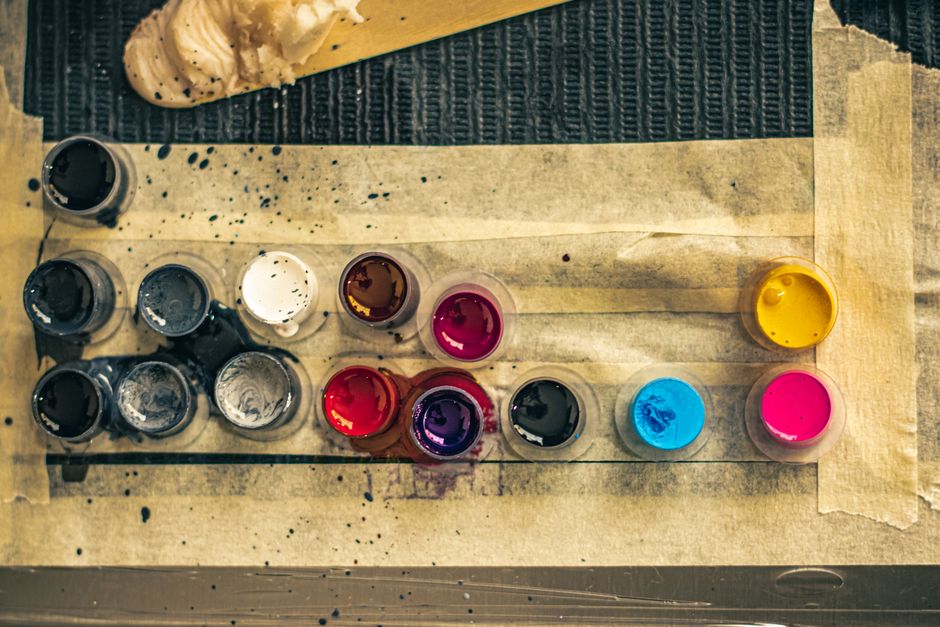
Edible ink cartridges come in various colors and are designed to fit specific printer models. These inks can be made from a variety of food-grade ingredients, including vegetable dyes and natural colorants, ensuring that they are both vibrant and safe. Some common types of edible inks include:
- Water-based edible inks: These are the most common and are suitable for printing on edible paper, frosting sheets, and other porous surfaces.
- Gel-based edible inks: These inks are thicker and designed for use on more textured surfaces like fondant or chocolate.
- Ink for specific substrates: Some inks are formulated specifically for use on certain materials, such as cookie icing or chocolate transfer sheets.
Once the edible ink cartridge is installed in the printer, users can design their images using computer software. The printer then translates these designs into a printed format, applying the ink directly onto the edible medium. This process allows for high levels of customization and creativity, enabling users to create stunning edible art.
Choosing the Right Edible Ink Printer
1. Printer Type: Inkjet vs. Laser
Most edible ink printers are inkjet printers, as they are better suited for the fine details required in food decoration. Inkjet printers use liquid inks that can produce high-resolution images, which is crucial for creating intricate designs on edible surfaces. Laser printers, on the other hand, are not typically used for edible printing due to the heat involved in the printing process, which can affect the quality and safety of the edible inks.
2. Print Quality and Resolution
When choosing an edible ink printer, print quality is one of the most critical factors to consider. Look for a printer that offers high resolution (measured in DPI – dots per inch) for detailed and vibrant images. A printer with at least 1200 DPI is recommended for producing sharp and clear designs, ensuring that your creations look professional and appealing.
3. Size and Portability
Consider the size of the printer and whether it fits your workspace. If you plan to use the printer in various locations, portability may be essential. Some printers are compact and lightweight, making them easier to transport, while others may be bulkier but offer larger printing capabilities.
4. Cost and Budget
Edible ink printers come at various price points, so it’s important to determine your budget before making a purchase. While it may be tempting to opt for the cheapest option, consider the long-term costs associated with ink cartridges and edible printing supplies. Investing in a reliable, high-quality printer may save you money and frustration in the long run.
Ultimately, your choice of an edible ink printer should align with your culinary needs and creative aspirations. By carefully evaluating these factors, you can select the perfect printer to embark on your edible printing journey.
Setting Up Your Edible Ink Printer
Setting up your edible ink printer for the first time can be a straightforward process if you follow the right steps. Below is a detailed guide to help you get started smoothly.
Step 1: Unboxing and Initial Setup
Begin by carefully unboxing your edible ink printer. Ensure all components are included: the printer, power cord, USB cable, and any starter edible ink cartridges. Place the printer on a stable, flat surface away from direct sunlight and moisture.
Step 2: Installing the Ink Cartridges
Before you can start printing, you need to install the edible ink cartridges:
- Open the printer cover to access the cartridge compartment.
- Remove the protective seals from the edible ink cartridges carefully.
- Insert the cartridges into their designated slots, ensuring they click into place securely.
- Close the printer cover once all cartridges are installed.
Make sure you are using the right cartridges for your specific printer model. Using non-compatible inks can lead to printer malfunctions.
Step 3: Setting Up the Printer Software
Next, connect your printer to your computer:
- Use the USB cable to connect the printer to your computer. Alternatively, if your printer supports Wi-Fi, follow the manufacturer’s instructions to connect it wirelessly.
- Install the printer software by inserting the CD provided or downloading it from the manufacturer’s website.
- Follow the on-screen prompts to complete the installation process.
Step 4: Loading Edible Paper
To load edible paper into your printer, follow these steps:
- Open the paper tray of the printer.
- Adjust the paper guides to fit the size of your edible paper.
- Carefully load the edible paper, making sure the printable side is facing down.
- Close the paper tray securely.
Use only high-quality edible paper to ensure optimal printing results. Poor-quality paper may not absorb the ink properly, leading to unsatisfactory prints.
Tips for Loading Edible Ink Cartridges and Paper
- Always handle cartridges and edible paper with clean, dry hands to avoid contamination.
- Store your edible ink cartridges in a cool, dark place when not in use to prolong their shelf life.
- Check the manufacturer’s guidelines for specific instructions regarding paper thickness and compatible types.

Types of Edible Ink Paper and Supplies
Understanding the types of edible paper and supplies available is crucial for successful edible printing. Here’s an overview of the most common options.
1. Wafer Paper
Wafer paper is a popular choice for edible printing. It’s thin, crisp, and made from potato starch, making it easy to cut and shape. Wafer paper is ideal for creating delicate decorations such as lace and flowers that can be placed on cakes or cupcakes.
2. Frosting Sheets
Frosting sheets are made from a thin layer of edible frosting and are ideal for vibrant, high-resolution images. They are slightly thicker than wafer paper and can provide a more luxurious finish on cakes and treats. Frosting sheets are perfect for printing photos or colorful designs.
3. Chocolate Transfer Sheets
Chocolate transfer sheets are designed specifically for use with chocolate. They are printed with edible cocoa butter images that can be transferred onto melted chocolate, creating beautiful designs. These sheets are great for adding a unique touch to chocolate treats.
4. Sugar Sheets
Sugar sheets are similar to frosting sheets but often have a smoother texture. They are made from sugar and can be used for a variety of decorating purposes. Sugar sheets can be cut into shapes and used for creating custom cake toppers or designs.
Recommended Suppliers
When looking for edible inks and papers, consider purchasing from reputable suppliers. Here are a few recommended options:
- Amazon: A vast selection of edible inks and papers from various brands.
- Global Sugar Art: Specializes in baking supplies, including edible printing materials.
- Sweetwise: Offers a wide range of edible printing supplies and accessories.
- Baker’s Party Shop: Provides various edible paper types and high-quality edible ink options.
Troubleshooting Common Edible Ink Printer Issues
Even with proper setup, users may encounter issues when using an edible ink printer. Here are some common problems and how to resolve them.
1. Print Quality Issues
If you notice that your prints are coming out faded or blurry, try the following:
- Check the ink levels in your cartridges. Low ink can lead to poor print quality.
- Run a print head cleaning cycle through your printer’s maintenance menu to clear any blockages.
- Ensure you are using the correct type of edible paper for your printer. Incompatible paper can affect print quality.
2. Clogging and Maintenance
Clogged print heads can result in streaky prints or no ink being applied. To prevent this:
- Regularly clean your printer’s print heads, especially if you don’t use the printer frequently.
- Store edible inks in a cool, dry place and avoid exposing them to extreme temperatures.
- Use the printer at least once a week to keep the ink flowing.
3. Connectivity Problems
If your printer is not connecting to your computer or network, consider these solutions:
- Check the USB cable connection or Wi-Fi settings to ensure everything is properly connected.
- Restart both your printer and computer to refresh the connection.
- Ensure that the printer is set as the default printer in your computer’s settings.
4. Paper Jams
Paper jams can be frustrating. To resolve this issue:
- Carefully remove any jammed paper from the printer, following the manufacturer’s guidelines.
- Check for any torn pieces of paper that may be stuck inside.
- Ensure that the paper is loaded correctly and not overfilled in the tray.

Creative Uses for Edible Ink Printers
Edible ink printers offer endless possibilities in the world of baking and confectionery. Here are some creative applications to inspire your next project.
1. Custom Cake Designs
Create stunning custom cake designs for special occasions. Use your printer to add personalized messages or intricate images that reflect the theme of the event.
2. Personalized Treats
Edible ink printers are perfect for personalizing cookies, cupcakes, and chocolates. Print logos or names for weddings, birthdays, or corporate events.
3. Themed Desserts
For holidays or seasonal events, use your printer to create themed desserts. Print edible images of holiday symbols, such as pumpkins for Halloween or snowflakes for winter celebrations.
4. Edible Business Cards
Impress clients by creating edible business cards made of sugar sheets or frosting. This unique marketing tool combines creativity with a tasty treat.
5. Food Art
Explore your artistic side by creating edible art pieces. Use edible ink to print on various mediums and present them as part of a dessert table or as a standalone display.
Safety and Regulations
When working with edible inks and papers, safety is paramount. It’s essential to understand the regulations and ensure you are using food-grade materials.
1. Safety of Edible Inks
Edible inks are formulated to be safe for consumption, but not all inks are created equal. Always choose inks that are explicitly labeled as food-grade. These inks must meet safety standards set by food safety authorities.
2. Regulations Surrounding Edible Printing
Different countries may have varying regulations regarding edible inks and printing. Familiarize yourself with local laws to ensure compliance, especially if you plan to sell your edible creations.
3. Importance of Food-Grade Materials
Using non-food-grade materials can pose health risks. Always verify that your inks, papers, and other supplies are safe for food contact. This ensures that your edible prints are not only beautiful but also safe for consumption.
In summary, setting up your edible ink printer correctly, understanding the types of paper available, troubleshooting common issues, and considering safety regulations are all vital components in making the most out of your edible printing experience.
Tips for Best Results with Edible Ink Printers
To achieve stunning results with your edible ink printer, it’s important to follow best practices that enhance both print quality and your creative output. Here are some tips to maximize your printing experience.
Best Practices for High-Quality Prints
When using an edible ink printer, attention to detail is key. Here are some best practices to ensure vibrant and detailed prints:
- Use High-Quality Edible Inks: Always opt for premium edible inks specifically designed for your printer model. This ensures better saturation and vivid colors.
- Choose the Right Edible Paper: Different types of edible paper—such as frosting sheets, wafer paper, or rice paper—yield different results. Select the one that best suits your design needs.
- Calibrate Your Printer: Regularly calibrate your printer for optimal color accuracy. This can often be done through the printer settings, ensuring that colors appear as intended.
- Print in a Controlled Environment: Temperature and humidity can affect ink absorption. Print in a cool, dry place to achieve the best results.

Enhancing Creativity with Design Techniques
Leveraging design software and techniques can take your edible printing to the next level. Here are some suggestions to help you create stunning designs:
- Use Professional Design Software: Programs like Adobe Photoshop or Illustrator allow for sophisticated editing and graphic design. However, simpler tools like Canva can also be effective for beginners.
- Incorporate Layering Techniques: Use layers in your design software to separate elements. This technique can help you create depth and texture in your edible prints.
- Experiment with Color Mixing: Don’t be afraid to mix colors to create unique shades. Edible inks can blend beautifully, allowing for a spectrum of colors in your designs.
- Utilize Templates: Many online resources offer templates specifically for edible printing. Use these as a starting point to save time and inspire your creativity.
By following these tips and utilizing design software effectively, you can unlock your creativity and produce exceptional edible prints that stand out at any event.
Conclusion
In conclusion, edible ink printers offer an exciting way to express creativity in the culinary world. They allow you to transform ordinary treats into extraordinary masterpieces, whether you’re personalizing cakes, decorating cookies, or creating unique edible art.
The versatility of edible ink printers not only enhances the visual appeal of your desserts but also opens the door to endless creative possibilities. From custom designs to themed treats, the only limit is your imagination. We encourage you to explore this fascinating technology and experiment with different designs, techniques, and recipes.
As you embark on your edible printing journey, remember to adhere to safety regulations and use high-quality materials for the best results. Happy printing!
FAQ Section
1. Can any printer be converted to an edible ink printer?
No, not all printers can be converted to edible ink printers. Only specific models, typically those designed for inkjet printing, can be modified. It’s essential to research compatible models before making any conversions.
2. How long do edible prints last?
Edible prints can last anywhere from a few hours to several days, depending on the type of edible paper used and storage conditions. For the best longevity, store printed items in a cool, dry place and consume them within a few days.
3. Are edible inks safe for consumption?
Yes, edible inks are formulated to be safe for consumption. However, always ensure that you use inks labeled as food-grade to meet safety standards and regulations.
4. Do I need special software for designing prints?
While you can use standard graphic design software, it’s beneficial to utilize programs specifically designed for edible printing. These programs often come with templates and features tailored to creating edible designs, making the process easier and more efficient.